How Google Ads Helps Boost Local Business Visibility
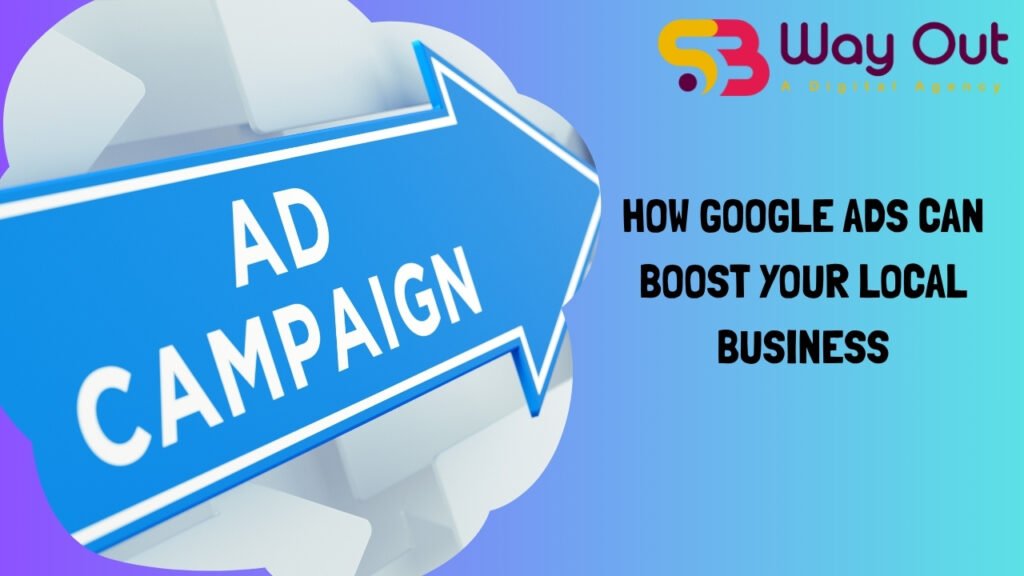
The Role of Google Ads in Boosting Local Business Visibility How Google Ads Helps Boost Local Business Visibility | 2025 Guide.In today’s digital-first world, being visible online isn’t just optional—it’s essential. For local businesses, especially those relying on foot traffic or regional clientele, Google Ads has become one of the most powerful tools to increase visibility and attract nearby customers. Whether you’re running a café, gym, clinic, boutique, or salon, showing up on the first page of Google when someone searches for your services can make or break a sale. This is where Google Ads steps in and delivers results. 1. Targeted Reach with Location-Based Ads Google Ads allows businesses to target customers based on location—right down to the pin code, neighborhood, or city. This ensures your ads are only seen by people within your service area. For example, a bakery in Kompally can show ads to users searching for “best cakes near me” or “birthday cakes in Kompally” — ensuring highly relevant reach.📍 2. Google Maps Integration for Local Intent Local businesses thrive on visibility in Google Maps. With Google Ads (specifically Local Campaigns), your business listing can appear at the top when users search in Maps. This boosts walk-ins, direction requests, and instant calls—especially for restaurants, clinics, and retail stores. 3. Real-Time Results & Flexible Budgets Unlike traditional marketing, Google Ads offers instant visibility. Your ad can go live in minutes, and you can track clicks, impressions, calls, and conversions in real-time. Even better, you can set daily budgets—perfect for small businesses wanting high ROI without overspending. 4. Custom Ads for Promotions & Offers Running a special weekend offer? Launching a new service? Google Ads lets you promote time-sensitive offers with callouts, sitelinks, and promotional extensions. These features help your local business stand out from competitors with compelling ad copy that drives action. 5. Performance Insights for Smarter Marketing With built-in analytics, Google Ads gives deep insights into: These insights help local businesses optimize ad spend and content, improving future campaign performance. 6. Build Trust with Local Customers Appearing consistently at the top of search results builds credibility and trust. When customers see your business listed with ratings, reviews, and extensions, they’re more likely to engage. This is especially important for service-based businesses like home services, dental clinics, and coaching centers. Final Thoughts If you’re a local business looking to increase your visibility, drive foot traffic, and grow your customer base, Google Ads is a tool you can’t afford to ignore. With location targeting, budget flexibility, and measurable results, it gives you the power to compete—even with larger brands. Start small, optimize regularly, and watch your local presence grow!
How to Start Keyword Research for a New Brand

Launching a new brand is exciting—but to gain visibility online, you need more than just a great product or service. You need to get discovered by the right audience. That’s where keyword research for a new brand comes into play. Keyword research is the cornerstone of search engine optimization (SEO). It helps you understand what your target audience is searching for, how competitive those search terms are, and how to create content that drives traffic and conversions. If you’re just getting started with SEO, this guide will walk you through how to start keyword research for a new brand, step-by-step. Step 1: Understand Your Brand, Audience & Goals Before diving into tools and keywords, take a step back and understand: Let’s say you’re launching a new plant-based protein brand. Your audience might include fitness enthusiasts, vegans, or people with dairy allergies looking for “vegan protein powder” or “plant-based fitness supplements.” Knowing your brand’s value proposition and customer pain points will guide your keyword focus. Step 2: Brainstorm Seed Keywords Seed keywords are the basic search terms that relate to your brand or offerings. These will act as the foundation for finding long-tail and niche keyword variations. Examples: Use tools like: This initial brainstorming phase is about listing as many relevant terms as possible. Step 3: Use Keyword Research Tools Now, take your seed keywords and input them into keyword research tools to find: Popular tools: Look for keywords with: Pro Tip: Don’t ignore low-volume keywords! They often indicate high intent and less competition—especially useful for new websites. Step 4: Analyze the Competition Search your shortlisted keywords in Google and study: Use this research to find content gaps—topics or questions your competitors haven’t fully covered—and opportunities to rank. Step 5: Group Keywords by Intent and Funnel Stage Not all keywords serve the same purpose. Classify them based on user intent: Then, align them with funnel stages: This helps you map keywords to your content and sales strategy effectively. Step 6: Organize Keywords into a Content Plan Create a content calendar using your keyword clusters. Plan content types such as: Example: Create SEO-optimized content by including: Step 7: Monitor, Refine, and Evolve Keyword research isn’t a one-time task. Use tools like Google Search Console and Google Analytics to: Re-optimize pages with better keywords over time and continue publishing relevant content to build domain authority. Doing keyword research for a new brand can feel overwhelming at first, but with the right process, it becomes a powerful growth tool. By understanding your audience, leveraging the right tools, and consistently creating high-quality content, you set your brand up for organic visibility and long-term SEO success. Whether you’re a startup, small business, or launching a personal brand, this roadmap will help you compete—even against bigger players.
How NLP Is Revolutionizing SEO: Trends, Impacts, and Future Possibilities
In recent years, Natural Language Processing (NLP) has emerged as a game-changer in the world of search engine optimization (SEO). With search engines like Google striving to better understand user intent and deliver highly relevant results, NLP plays a central role in shaping the future of how content is indexed, ranked, and delivered. From BERT and MUM to AI-powered chatbots, NLP is influencing how we write, structure, and optimize content. In this blog, we’ll explore how NLP is impacting SEO, the changes it demands from content creators, and the opportunities it presents for future-ready digital marketers. What Is NLP and Why Does It Matter in SEO? Natural Language Processing (NLP) is a subfield of artificial intelligence that enables machines to understand, interpret, and generate human language. In SEO, NLP is critical for: Search engines now go beyond keywords. They analyze semantic meaning, conversational context, and natural phrasing—all thanks to NLP. Google’s NLP-Driven Algorithm Updates Google has rolled out several major algorithm updates that lean heavily on NLP: These updates emphasize semantic search, conversational content, and contextual relevance, forcing SEO professionals to rethink traditional keyword-stuffing strategies. Key Impacts of NLP on SEO 1. Emphasis on Search Intent Search engines now focus on the why behind a search. Content must satisfy informational, navigational, or transactional intents clearly. 2. Semantic SEO Takes Center Stage NLP helps Google understand the relationship between topics, subtopics, and entities. This means: 3. Structured Data Becomes Vital Search engines use NLP along with structured data (like schema markup) to better comprehend what your content is about and how to feature it (e.g., in rich snippets or knowledge panels). 4. Voice Search Optimization Voice searches are naturally phrased. NLP interprets these queries accurately. To optimize: 5. AI Content Creation & Human Touch AI writing tools using NLP can generate content at scale. But for SEO success: What Changes Should SEO Professionals Make? If you’re optimizing for today and tomorrow, here’s what you need to adapt: Old SEO Approach Modern SEO with NLP Focus on keyword density Focus on semantic intent and context Single-page targeting Topic clusters and pillar content Generic meta descriptions Personalized, intent-driven meta tags Static content Conversational, dynamic content Manual link building Natural, context-driven internal linking Opportunities Ahead: The Future of SEO with NLP As NLP matures, SEO is set to evolve in several exciting directions: Those who embrace NLP today will be the leaders of tomorrow’s SEO landscape. Natural Language Processing isn’t just another tech trend—it’s fundamentally transforming the rules of SEO. From how search engines interpret queries to how we should craft our content, NLP demands a more thoughtful, human-centric, and context-aware approach. As search becomes more conversational and intuitive, staying ahead means understanding user intent, writing naturally, and building content ecosystems—not just pages. Ready to future-proof your SEO? Start optimizing for NLP today.
10 Free Google Digital Marketing Tools You Should Be Using in 2025
In today’s fast-paced digital world, marketers are constantly on the lookout for tools that can streamline their efforts without burning a hole in their pocket. Thankfully, Google offers a suite of powerful, free digital marketing tools that can help businesses of all sizes improve their online presence, optimize campaigns, and analyze performance effectively. Let’s dive into 10 free Google tools every digital marketer should be using in 2025: Google Analytics 4 (GA4) Purpose: Website Traffic & User Behavior Analysis Google Analytics 4 allows you to monitor and analyze website traffic, user behavior, conversion rates, and much more. With GA4’s advanced features like event tracking, cross-platform data, and AI-powered insights, marketers can better understand their audience and optimize for performance. Key Features: Google Search Console Purpose: SEO Monitoring & Website Performance Google Search Console helps you monitor your website’s organic performance on Google Search. You can track keyword rankings, analyze impressions and clicks, submit sitemaps, and identify indexing issues. Key Features: Google Keyword Planner Purpose: Keyword Research for SEO & PPC Google Keyword Planner is essential for finding new keywords for both organic and paid campaigns. It provides search volume data, competition levels, and keyword trends. Key Features: Google Trends Purpose: Market & Trend Research Google Trends allows you to analyze the popularity of search queries over time and across regions. This helps marketers identify trending topics, seasonality, and regional interests. Key Features: Google Tag Manager Purpose: Simplify Tag Implementation Google Tag Manager enables you to implement tracking codes, conversion pixels, and tags without modifying website code directly. It’s ideal for managing multiple marketing and analytics tags in one place. Key Features: Google Data Studio (Now Looker Studio) Purpose: Custom Reporting & Data Visualization Google Looker Studio helps marketers create customizable reports by combining data from multiple sources (GA4, Ads, Search Console, etc.). This makes it easy to present performance data to clients or stakeholders. Key Features: Google Business Profile (formerly Google My Business) Purpose: Local SEO & Business Visibility Google Business Profile is critical for local businesses to manage their online presence on Google Search and Maps. This free tool allows businesses to update their profile, collect reviews, and interact with customers. Key Features: Google Page Speed Insights Purpose: Website Speed & Performance Optimization Google PageSpeed Insights analyzes your website’s speed and provides suggestions to improve both desktop and mobile performance — a crucial factor for SEO and user experience. Key Features: Google Alerts Purpose: Brand Monitoring & Content Research Google Alerts helps you stay updated on new mentions of your brand, competitors, or industry topics across the web. It’s a simple way to monitor reputation and track emerging trends. Key Features: Google Forms Purpose: Customer Feedback & Surveys Google Forms makes it simple to collect customer feedback, run surveys, or create lead generation forms. It’s completely free and integrates easily with Google Sheets for data analysis. Key Features: Google’s free digital marketing tools are a goldmine for businesses looking to build their online presence without a hefty budget. Whether you’re focusing on SEO, paid ads, content marketing, or data analysis, these tools offer robust functionality and seamless integration with one another. Start exploring these tools today and leverage the power of Google to grow your digital marketing efforts smartly and cost-effectively!
What is Technical SEO? Key Factors and How to Fix Them
In the world of SEO, many businesses focus heavily on keywords, content creation, and backlinks. But there’s a very important piece of the puzzle that often gets overlooked — Technical SEO. Without a strong technical foundation, even the best content may struggle to rank well on search engines. In this blog, we’ll break down the key technical SEO factors, why they matter, and how to fix them to improve your website’s visibility. What is Technical SEO? Technical SEO refers to the optimization of your website’s infrastructure to ensure that search engines can effectively crawl, index, and understand your site. It focuses on improving the backend elements that support your site’s performance, usability, and search engine friendliness. Simply put — Technical SEO makes it easy for Google to access, read, and rank your website. Key Technical SEO Factors (And How to Fix Them) Website Speed (Page Load Time) Why it matters:Google considers site speed as a ranking factor. Slow-loading websites frustrate users and increase bounce rates, which can hurt your rankings. How to fix: Free Tools:Google Page Speed Insights, GT Metrix, or Pingdom. Mobile-Friendliness Why it matters:Since Google uses mobile-first indexing, your site must perform well on mobile devices to rank properly. How to fix: Free Tool:Google Mobile-Friendly Test. Secure HTTPS Connection (SSL Certificate) Why it matters:Google gives preference to secure websites. An HTTPS connection ensures that data between the user and the site is encrypted. How to fix: Note: Most hosting providers offer free SSL certificates. Crawlability & Indexing Why it matters:Search engines need access to your pages to index and rank them. How to fix: Pro Tip: Ensure no duplicate or unnecessary pages are being indexed. Duplicate Content Why it matters:Duplicate content confuses search engines about which version to rank, potentially hurting your SEO. How to fix: Tool to Check:Siteliner or Copyscape. Broken Links (404 Errors) Why it matters:Broken links negatively affect user experience and may hurt SEO. How to fix: Free Tool:Broken Link Checker or Screaming Frog. Structured Data (Schema Markup) Why it matters:Schema helps search engines better understand your content and can improve click-through rates with rich snippets. How to fix: Core Web Vitals Why it matters:Core Web Vitals measure real-world user experience for performance, including load speed, interactivity, and visual stability. How to fix: Tool to Monitor:Google Search Console > Core Web Vitals Report. Technical SEO might sound complex, but it’s essential for any website that wants long-term success on search engines. While content and backlinks drive your authority, technical SEO ensures that your site is accessible, fast, and easy to navigate — both for users and search engines. If you fix these technical issues, you lay a strong foundation that allows your content and SEO strategy to perform at their full potential.
On-Page vs Off-Page SEO: What’s More Important in 2025?
IntroductionIf you’re trying to rank your website on Google, you’ve likely come across two crucial terms: On-Page SEO and Off-Page SEO. But which one should you focus on more? And how do they actually impact your rankings? In this blog, we’ll break down both concepts, compare their roles, and help you understand which strategy should take the front seat for your business in 2025. 🔍 What is On-Page SEO? On-page SEO refers to the optimization techniques that you apply directly on your website. It helps search engines understand your content and improves user experience. Key Elements of On-Page SEO: Why On-Page SEO Matters:It lays the foundation of your website’s visibility. Without strong on-page SEO, off-page efforts won’t have a stable platform to elevate. 🌐 What is Off-Page SEO? Off-page SEO involves actions taken outside your website to influence your rankings. It signals to search engines that your site is authoritative and trustworthy. Key Off-Page SEO Techniques: Why Off-Page SEO Matters:Google sees backlinks as votes of confidence. The more high-quality links you get, the more trustworthy your site appears. On-Page vs Off-Page SEO – Key Differences Criteria On-Page SEO Off-Page SEO Location Within your website Outside your website Control Full control Limited control Tools Used Yoast SEO, Screaming Frog Ahrefs, SEMrush, BuzzSumo Timeline Immediate changes Long-term authority building Focus Content + Technical Optimization Brand authority and backlinks Which One is More Important in 2025? Truth is—they’re equally important and work best together. Think of on-page SEO as building a strong, attractive house. Off-page SEO is inviting people to visit, share, and talk about it. In 2025, Google is focusing more on user experience and trust signals. So: Final Thoughts If you’re serious about ranking higher, you need both on-page and off-page SEO strategies. One without the other is like having a great product but no one knows about it—or vice versa. Want help optimizing your site?At SB Wayout, we craft tailor-made SEO strategies combining both on-page technical mastery and off-page authority building. Contact us today to get your SEO audit started!
The Impact of AI on Digital Marketing in 2025
The Rise of Artificial Intelligence in Marketing In recent years, Artificial Intelligence (AI) has transformed from a futuristic buzzword to a fundamental component of digital marketing. As brands compete to capture attention in a crowded online space, AI offers powerful tools for automation, precision targeting, and personalized customer experiences. In 2024, the integration of AI into digital marketing is no longer optional—it’s essential. AI in Digital Marketing: What Has Changed? AI is not just a backend tool anymore. It’s now actively shaping how marketers interact with customers, interpret data, and run campaigns. 1. Smarter Customer Insights AI analyzes massive volumes of data in real-time to identify patterns, preferences, and behaviors. This allows marketers to: 2. Automation of Routine Tasks AI-driven tools now handle repetitive marketing tasks such as: This frees marketers to focus on strategy and creativity. 3. Enhanced Personalization With AI, brands can deliver hyper-personalized content based on a user’s browsing history, device, location, and even mood. This increases: How AI is Used Across Digital Marketing Channels 1. AI in SEO AI tools like Surfer SEO and MarketMuse help content creators: Google itself uses AI (RankBrain, BERT) to better understand user search intent. 2. AI in Paid Advertising Platforms like Google Ads and Meta (Facebook/Instagram) use AI to: This results in better ROI and less manual intervention. 3. AI in Social Media Marketing AI helps: Tools like Lately and Emplifi use AI to turn long-form content into bite-sized social posts. 4. AI in Email Marketing AI personalizes: Platforms like Mailchimp and ActiveCampaign have integrated AI to improve open and conversion rates. 5. AI in Customer Support (Chatbots) AI-powered chatbots like ChatGPT and Drift: They’re faster, cheaper, and scalable. The Benefits of Using AI in Digital Marketing Challenges and Ethical Concerns 1. Data Privacy As AI collects and uses vast amounts of personal data, marketers must ensure GDPR and privacy compliance. 2. Over-Reliance on Automation Too much automation can result in: 3. Bias in AI Algorithms AI models can reflect biases present in training data, leading to skewed results or discriminatory targeting. The Future of AI in Digital Marketing Predictive Marketing AI will not just react—it will predict what users want next. Voice & Visual Search Optimization With tools like Google Lens and smart assistants, marketers must optimize for how people search beyond text. Generative AI Content Creation AI tools like Jasper and ChatGPT are already helping generate blogs, product descriptions, and ads. Augmented Reality (AR) Experiences AI will power more immersive marketing—virtual try-ons, AR product demos, and AI-driven virtual assistants. AI is a Game-Changer, Not a Replacement AI is reshaping how we do digital marketing, making it faster, smarter, and more effective. But the best results come when AI is combined with human creativity. As we move into a future where automation is standard, the brands that blend tech and storytelling will lead the way. FAQs Q1. Is AI expensive for small businesses? No. Many AI-powered tools are affordable or offer free versions for small teams. Q2. Can AI replace digital marketers? Not entirely. AI assists with data and automation, but strategy and creativity still require a human touch. Q3. What’s the best AI tool for social media marketing? Tools like Lately.ai, Buffer with AI suggestions, or Canva’s Magic Write are great options. Q4. How can I get started with AI in marketing? Start by using AI in one area like email marketing or content optimization, then scale gradually.Q5. Does Google penalize AI-generated content? No, as long as it’s helpful, relevant, and human-edited to provide value to readers.
The Future of AI in Marketing: Trends to Watch in 2025 and Beyond
Introduction: AI is Just Getting Started Artificial Intelligence (AI) is no longer a luxury in marketing — it’s a necessity. With tools becoming more advanced and businesses more data-driven, the question isn’t whether to use AI, but how far can it go? Let’s explore where AI is heading and how marketers can prepare for the next wave. 1. Predictive Analytics Will Lead the Way AI is evolving from analyzing what happened to predicting what’s next. Predictive marketing helps brands: 2. Content Creation Will Be AI-Assisted by Default By 2025, most content workflows will include AI. Marketers will: Tools like Jasper, Copy.ai, and ChatGPT will be integrated directly into CMS platforms. 3. Hyper-Personalization Will Get Even Smarter AI won’t just personalize by name or location. Future personalization will consider: Expect Netflix-style personalization in every touchpoint. 4. AI-Powered Customer Support Will Be Standard Chatbots are evolving into full virtual agents. Brands will offer: AI will handle 80% of queries, freeing up human reps for complex needs. 5. Voice and Visual Search Optimization Will Rise People are searching differently — not just typing but speaking and snapping. AI tools will help marketers: 6. AI Will Power Augmented Reality Experiences Brands will blend AI and AR to create: 7. Ethical AI Will Matter More Than Ever With great power comes great responsibility. Future marketers must ensure: “Explainable AI” will become a marketing buzzword. 8. Cross-Platform AI Integration AI won’t live in silos. Your CRM, email tool, ad platform, and analytics dashboard will all sync via AI. This means: 9. Real-Time Ad Optimization Will Be AI-Led Marketers won’t manually tweak campaigns anymore. AI will: Platforms like Google Ads and Meta Ads already use AI for this, and it’s only getting better. 10. AI + Human Creativity = Ultimate Combo Despite AI’s rise, human input will remain essential. Future marketing teams will: The Future Is Not Just AI — It’s Smart AI Use The future of marketing is intelligent, real-time, and deeply personalized — thanks to AI. But it won’t replace marketers. It will empower them to work smarter, not harder. The brands that embrace AI while staying human will own the future. FAQs Q1. Will AI take over all marketing jobs? No. It will automate tasks, but human strategy and creativity are irreplaceable. Q2. How can small businesses benefit from AI marketing tools? Use AI for content suggestions, email campaigns, and ad optimization on a budget. Q3. Is AI content penalized by Google? No, as long as it provides real value and meets quality standards. Q4. What skills will marketers need in an AI future? Data analysis, content strategy, emotional storytelling, and prompt engineering.Q5. Are there risks in using AI for marketing? Yes — such as data misuse, lack of transparency, and over-automation. Use responsibly.
How AI is Changing Consumer Behavior in Digital Marketing
How AI is Changing Consumer Behavior in Digital Marketing AI is Reshaping How Consumers Interact Online The rise of Artificial Intelligence (AI) in digital marketing is not just about automation or analytics — it’s about changing how consumers behave, decide, and purchase. In 2025, understanding how AI influences consumer behavior is key to staying ahead. 1. Hyper-Personalization Shapes Expectations AI now allows brands to deliver: Consumers now expect marketing that “knows them.” 2. Smarter Chatbots Are Changing Decision Paths AI-powered chatbots: This reduces friction and speeds up decision-making. 3. Predictive Algorithms Influence Buying Timing AI tracks behavior and predicts: This influences not just what people buy, but when and why. 4. Voice Search Is Rewriting Consumer Language With smart speakers and voice assistants, people now search: Marketers must optimize content for how people speak, not just type. 5. AI Nudges Buying Behavior Subtly Through personalized emails, retargeted ads, and smart push notifications, AI: It’s psychological, data-driven persuasion. 6. Social Proof and Sentiment Analysis Shape Trust AI tools analyze reviews and comments to: This builds credibility and influences choices. 7. AR + AI = Experiential Shopping AR powered by AI allows consumers to: This boosts confidence and reduces returns. 8. Data Privacy Now Impacts Trust and Behavior Consumers are becoming more aware of how brands use data. AI systems must: Trust influences brand loyalty. 9. Micro-Moments Now Dominate Buying Decisions AI captures and responds to: These tiny decision windows shape entire buying journeys. 10. The Rise of AI-Powered Influencers Yes, even influencers are AI now. Brands are using: Consumers are engaging with AI-driven personalities too. AI Isn’t Just Behind the Scenes — It’s the Guide AI has moved from a tool to a guide in the customer journey. It’s changing how we search, shop, trust, and buy. For brands, understanding this behavioral shift is critical. Those who adapt to AI-powered behaviors will connect deeper and sell smarter. FAQs Q1. How does AI affect consumer trust? It improves trust with personalization, but must be ethical and transparent with data. Q2. Can AI really understand customer emotions? Yes. Sentiment analysis and emotional AI tools analyze tone, language, and behavior. Q3. What’s the best way to adapt to AI-driven behavior shifts? Start with personalization, chatbots, and voice optimization. Q4. Are AI influencers effective in marketing? Yes, especially among younger audiences who value tech innovation.Q5. Does AI reduce human connection in marketing? If used correctly, AI enhances experiences — not replaces the human eleme
The Impact of AI on Digital Marketing in 2025
The Rise of Artificial Intelligence in Marketing In recent years, Artificial Intelligence (AI) has transformed from a futuristic buzzword to a fundamental component of digital marketing. As brands compete to capture attention in a crowded online space, AI offers powerful tools for automation, precision targeting, and personalized customer experiences. In 2025, the integration of AI into digital marketing is no longer optional—it’s essential. AI in Digital Marketing: What Has Changed? AI is not just a backend tool anymore. It’s now actively shaping how marketers interact with customers, interpret data, and run campaigns. 1. Smarter Customer Insights AI analyzes massive volumes of data in real-time to identify patterns, preferences, and behaviors. This allows marketers to: 2. Automation of Routine Tasks AI-driven tools now handle repetitive marketing tasks such as: This frees marketers to focus on strategy and creativity. 3. Enhanced Personalization With AI, brands can deliver hyper-personalized content based on a user’s browsing history, device, location, and even mood. This increases: How AI is Used Across Digital Marketing Channels 1. AI in SEO AI tools like Surfer SEO and MarketMuse help content creators: Google itself uses AI (RankBrain, BERT) to better understand user search intent. 2. AI in Paid Advertising Platforms like Google Ads and Meta (Facebook/Instagram) use AI to: This results in better ROI and less manual intervention. 3. AI in Social Media Marketing AI helps: Tools like Lately and Emplifi use AI to turn long-form content into bite-sized social posts. 4. AI in Email Marketing AI personalizes: Platforms like Mailchimp and ActiveCampaign have integrated AI to improve open and conversion rates. 5. AI in Customer Support (Chatbots) AI-powered chatbots like ChatGPT and Drift: They’re faster, cheaper, and scalable. The Benefits of Using AI in Digital Marketing Challenges and Ethical Concerns 1. Data Privacy As AI collects and uses vast amounts of personal data, marketers must ensure GDPR and privacy compliance. 2. Over-Reliance on Automation Too much automation can result in: 3. Bias in AI Algorithms AI models can reflect biases present in training data, leading to skewed results or discriminatory targeting. The Future of AI in Digital Marketing Predictive Marketing AI will not just react—it will predict what users want next. Voice & Visual Search Optimization With tools like Google Lens and smart assistants, marketers must optimize for how people search beyond text. Generative AI Content Creation AI tools like Jasper and ChatGPT are already helping generate blogs, product descriptions, and ads. Augmented Reality (AR) Experiences AI will power more immersive marketing—virtual try-ons, AR product demos, and AI-driven virtual assistants. AI is a Game-Changer, Not a Replacement AI is reshaping how we do digital marketing, making it faster, smarter, and more effective. But the best results come when AI is combined with human creativity. As we move into a future where automation is standard, the brands that blend tech and storytelling will lead the way.